 The medicine cimetidine is a commonly used medicine to take care of gastrointestinal conditions. The affect of this medicine is to stop the creation of stomach acid. One of them disorders is called gastroesophageal reflux disease and it is the retrograde movement of gastric contents from the stomach back up in the oesophagus that inflames the lining in the oesophagus resulting in acid reflux which is more commonly referred to as heartburn, particularly right after bedtime. It can also leave a sour or bitter taste in the mouth. This will affect as much as 10-20% of the population. There are lots of risk factors which raise the probability of this occurring, and so they all should be sorted out in the long run to deal with the problem. In the short term, it would seem sensible to help reduce what amount of the stomach acid is produced to lessen the symptoms. That is where cimetidine will come in. This drug hinders receptors in the tissue of the gastric lining which in turn obstructs gastric acid secretion. Which means that there is much less stomach acid to irritate the oesophagus and result in the symptoms. Cimetidine is familiar in the name […] read more
Curation of Knowledge
Curated database of articles
Last Updated:
December 2, 2025
Click here to submit your article
What is Cimetidine Used For?
The medicine cimetidine is a commonly used medicine to take care of gastrointestinal conditions. The affect of this medicine is to stop the creation of stomach acid. One of them disorders is called gastroesophageal reflux disease and it is the retrograde movement of gastric contents from the stomach back up in the oesophagus that inflames the lining in the oesophagus resulting in acid reflux which is more commonly referred to as heartburn, particularly right after bedtime. It can also leave a sour or bitter taste in the mouth. This will affect as much as 10-20% of the population. There are lots of risk factors which raise the probability of this occurring, and so they all should be sorted out in the long run to deal with the problem. In the short term, it would seem sensible to help reduce what amount of the stomach acid is produced to lessen the symptoms. That is where cimetidine will come in. This drug hinders receptors in the tissue of the gastric lining which in turn obstructs gastric acid secretion. Which means that there is much less stomach acid to irritate the oesophagus and result in the symptoms. Cimetidine is familiar in the name […] read more
Views : 616
Fluoroquinolones
 Fluoroquinolones are a regularly used antibiotic that’s traditionally used to deal with a number of conditions a result of microbial infection such as respiratory along with urinary tract infections. In the United States it’s been estimated that fluoroquinolones are often the 3rd most commonly prescription medicine within the antibiotic category. The forerunner of this drug category, nalidixic acid is considered the initial quinolone medication even though it’s not totally a fluoroquinolone. It was initially released in 1962 for treating urinary tract infections. Now the Federal Drug Administration in the USA has approved many fluoroquinolones such as levofloxacin (Levaquin), ciprofloxacin (Cipro), moxifloxacin (Avelox), gemifloxacin (Factive), ofloxacin as well as delafloxacin (Baxdela). The fluoroquinolone antibiotics will work against infections brought on by bacteria by interfering with the bacteria’s DNA duplication. Early generation fluoroquinolones hamper microbial DNA synthesis during reproduction chiefly by hindering DNA gyrase, an chemical that’s needed for bacterial DNA copying, but has no effect on human DNA. There are many generations with the fluoroquinolones that are out there, with each subsequent generation becoming a refinement from the generation before. The previous era fluoroquinolones ended up being, generally, more narrower range compared to the the later types, which means the more […] read more
Views : 645
The Politics of Hydroxychloroquine
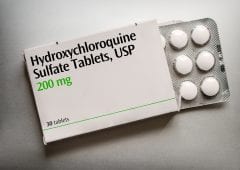 Hydroxychloroquine is a common drug which is used to stop and deal with acute attacks of malaria. Additionally it is used in rheumatology to deal with problems such as discoid lupus erythematosus, systemic lupus erythematosus and rheumatoid arthritis. It appears to be more helpful in people whose signs and symptoms have not responded to other remedies. Hydroxychloroquine is in the class of medications referred to as antimalarials and it is getting rid of the actual organisms that cause malaria. It appears to work in the therapy of rheumatoid arthritis and systemic lupus erythematosus through decreasing the activity of the immunity mechanism. This later action has generated conjecture that it will help in those with COVID-19 along with other conditions by having an effect on the immune system. Probably the most popular brand name of hydroxychloroquine will be Plaquenil. Hydroxychloroquine is viewed as being quite effective in the therapy for malaria and is widely used in those countries that malaria frequently occurs. The commonest negative effects of the drug are queasiness, abdomen cramping, diarrhea, itching and head ache. The most serious side effects is a retinopathy that may impact the eyes and this may still be a problem once the hydroxychloroquine […] read more
Views : 712