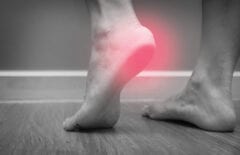
 There are various causes for pain and discomfort underneath the foot which is often challenging for the experts to diagnose it. Among those problems that is not really very frequent is an atrophy of your fat pad which is expected to cushion and also safeguard the foot. This fat pad safeguards the bones as well as other tissues beneath the feet. This could particularly be correct and also critical in athletes who engage in sporting activities that have a great deal of hard impacts on the ground which include running. With running they do have the extra protection of the running shoe to support the feet and reduce the impacts. The main symptoms of this condition are generally relatively unclear and non-specific, so often the expert health professional is required to exclude other conditions and do away with those as the explanation for the signs and symptoms leaving only this atrophy of the fat pad as the reason behind the pain. The most frequent manifestation is simply a imprecise discomfort underneath the ball or heel in the foot, that’s worse if standing up and even more painful when undertaking high impact activities. Not only is it painful under the foot, […] read more
Curation of Knowledge
Curated database of articles
Last Updated:
September 11, 2026
Click here to submit your article
Health and Fitness
Warning: Undefined array key "per_pg" in /home/feulthev/curationofknowledge.com/wp-content/themes/ArticleDirectory/library/functions/custom_functions.php on line 715
Warning: Undefined array key "mode" in /home/feulthev/curationofknowledge.com/wp-content/themes/ArticleDirectory/library/tpl/archive/archive_2_col_right.php on line 45
>
Warning: Undefined array key "per_pg" in /home/feulthev/curationofknowledge.com/wp-content/themes/ArticleDirectory/library/functions/custom_functions.php on line 715
>
- Conditions and Diseases (162)
- Allergy (1)
- Arthritis (4)
- Cancer (1)
- Children (11)
- Diabetes (5)
- Eye (2)
- Gastrointestinal (6)
- Heart (2)
- Infectious Diseases (9)
- Kidney (2)
- Neurology (12)
- Headaches (2)
- Movement Disorders (3)
- Oral (2)
- Orthopaedic (85)
- Foot Problems (76)
- Hand Problems (1)
- Knee Problems (3)
- Skin Conditions (9)
- Sleep (4)
- Vascular (2)
- Health Professions (8)
- Physical Therapy (1)
- Podiatry (5)
- Medications (6)
- Medicines (2)
- Nutrition (2)
- Vitamins and Supplements (2)
/home/feulthev/curationofknowledge.com/wp-content/themes/ArticleDirectory/loop.php on line 3
list clear">
 There are various causes for pain and discomfort underneath the foot which is often challenging for the experts to diagnose it. Among those problems that is not really very frequent is an atrophy of your fat pad which is expected to cushion and also safeguard the foot. This fat pad safeguards the bones as well as other tissues beneath the feet. This could particularly be correct and also critical in athletes who engage in sporting activities that have a great deal of hard impacts on the ground which include running. With running they do have the extra protection of the running shoe to support the feet and reduce the impacts. The main symptoms of this condition are generally relatively unclear and non-specific, so often the expert health professional is required to exclude other conditions and do away with those as the explanation for the signs and symptoms leaving only this atrophy of the fat pad as the reason behind the pain. The most frequent manifestation is simply a imprecise discomfort underneath the ball or heel in the foot, that’s worse if standing up and even more painful when undertaking high impact activities. Not only is it painful under the foot, […] read more
Bunions are painful enlargements around the inside side on the big toe or hallux joint on the feet. Bunions tend to be associated with a deviation of the big toe laterally that is named hallux valgus. They are often because of a genetic risk and also the wearing of shoes which is not big enough for the feet. Bunions are typically sore thanks to force with the footwear and from impairment in the great toe joint. The initial option to deal with a bunion is to use the right fitting shoes in order that there is no pressure on the oversized bone. This can be crucial because it can help with the pain and will help with preventing or slowing the progression of the bunion so it isn’t getting worse. Using the correct footwear is a must in order to avoid bunions to start with. Padding round the prominent joint to prevent the shoe from putting pressure on the joint could also be used to assist with the signs and symptoms. The pads can assist with the stress on the enlarged joint, but sometimes it fails to. Strapping is occasionally utilized to attempt to have some correction in the deviation […] read more
Heel pain in kids can be very common. You will find there’s condition which is painful at the rear of heel bone in kids termed Sever’s disease which numerous children get. This problem is a growth plate issue, therefore for that reason this is an issue that the kid can outgrow ultimately. It is very important understand or know that this isn’t a disease and is a really bad name, but the term is a thing that has stuck therefore it is still widely used. A lot more proper term is calcaneal apophysitis. There exists a growth plate (the apophysis) at the back of the calcaneus bone in the foot in which growth occurs, so the disorder is an injury to this growth zone. Sever’s disease commonly affects kids relating to the ages of about 8-14 years old, with a few occuring outside these ages. Once growth within the heel bone ends about the middle of the teenage life, after that Sever’s disease is no longer a problem or a dilemma. Detecting Sever’s disease is generally easy and it is dependant upon the age of the child along with the signs or symptoms. There is little which can be seen […] read more
Type 2 diabetes is a frequent condition in society today. The expenses for the person and to society can be high. Although this is high there is so much that can be accomplished to stop it and ameliorate the outcomes of diabetes. Foot problems are frequent in individuals with all forms of diabetes and the outcome of these foot problems could have severe consequences. Some of these problems can include foot ulcers that could develop a growing infection. Amputations as a result of non-healing wounds having poor blood circulation also sometimes need to be carried out. There’s lots of complications of diabetes mellitus affecting the foot which may bring on most of these issues. One of these characteristics is that of nerve damage. This is when the higher blood glucose levels related to all forms of diabetes may harm the nerves and have an affect on feelings from those nerves. When this neural damage is present, it signifies that after there is damage to the feet that you have no pain or warning signal for this damage. For example, it could be as basic as a blister or perhaps as damaging as stepping on a rusted nail or going over […] read more
Cuboid syndrome may be a cause of pain on the lateral side in the foot, that is if it really exists. You will find some dispute as to what cuboid syndrome exactly is with some doubting if it exists as well as the explanation for the symptoms is because of a range of other sorts of issues. There isn’t much evidence on this, however there are plenty of viewpoints. Commonly, in cuboid syndrome, the cuboid bone is assumed to become to a degree subluxed because of abnormal traction from peroneus longus tendon if the foot is excessively overpronated. Because of this the cuboid just isn’t steady when peroneus longus muscle contracts and the lateral aspect of this cuboid bone can be moved upwards. This believed subluxation is thought to be what cuboid syndrome is. The cuboid bone can also become subluxed following a lateral ankle joint strain. Problems on the outside of the foot is thought to occur in about 4% of all foot problems in sports athletes. Clinically, in a cuboid syndrome there will be outside foot pain on standing over the cuboid bone vicinity and also there could be a generalised foot discomfort, mainly over that lateral part […] read more
Flat foot in children are a debatable subject between health professionals. The debate is based about if it needs to be taken care of or left alone as many of children grow out of flat feet. Flat foot or a lower arch is a very frequent finding in youngsters and children. A lot of them do grow out of flat feet and do not get any kind of problems. A few don’t grow out of it and subsequently develop symptoms. The controversy is concerning if they all be treated to make sure that they do grow out of it and if this particular over treatment is needed. Mothers and fathers are obviously concerned about the appearance of the feet and don’t want issues to develop for their little one later on. What exactly is clear is that the flat foot ought to be dealt with should it be painful or causing symptoms. Such symptoms might not be only pain but can be things like increased regularity of falling. Kids who are at a higher risk of developing issues almost certainly be also treated. These would most likely include those who have an especially extreme flat foot and the ones whose […] read more
The foot is a sophisticated biomechanical construction that has to perform a great deal of movement. Since it is such a sophisticated construction, there are lots which can go wrong with it. There are several dysfunctional deviations possible in the feet which may impact the normal function and trigger pain. Podiatrists typically use foot orthoses, footwear adjustments and exercises to handle these types of issues. There are many deformities of the forefoot that will have to be accommodated in foot orthotics. That is according to the theory of the foot alignment that for the foot to be normal that a plantar plane imagined beneath the front foot has to be perpendicular to a line of the back of the heel bone. There are plenty of deviations that the forefoot may have when compared with what is the deemed normal. The medial side of the forefoot might be lower leading to what gets termed as a forefoot valgus. This forefoot valgus may be the whole forefoot is everted or it might just be the medial aspect of the forefoot being plantarflexed. This type of foot can result in considerable effects on how the foot moves. Precisely what those issues are is […] read more
Ingrown toe nails are a common problem that may be rather painful plus they don’t get better without treatment. Ingrown toenails are usually amongst the most prevalent issues dealt with by podiatrists. The primary cause of an ingrown nail is usually a combination of a rounded nail and a inadequate toenail cutting technique. The management of the ingrown toe nail is dependent upon if it’s infected or otherwise. When it is, the podiatrist might organise antibiotics. Although this can help the infection, it won’t deal with the problem because the bit of ingrown toe nail which is causing the issue is still present. A skilled Podiatrist can readily get rid of the corner or spike on the edge of the toe nail which has broken the skin that is creating the issue. They often do this with rather little discomfort. Unless this problem bit of toe nail this really is creating the ingrown nail is taken away, the infection may well remain and the issue is still growing in. After this, suitable wound care and also the use of bandages is needed to help get the infection treated properly. Should the pain lasts following this initial treatment method, this might […] read more
Strep throat is inflammation and swelling of the throat, tonsils and lymph nodes due to infection with group A streptococcus bacteria. Strep throat is very contagious and the bacteria responsible for causing the illness can be easily acquired by entering in contact with contaminated people. Streptococcus bacteria are airborne and they can be transmitted through droplets of mucus produced by cough or sneezing. The incubation period of strep throat is around three days and most symptoms of the illness emerge after this period of time. Strep throat usually generates symptoms such as cough, throat inflammation and pain, nausea, fatigue, weakness, headache and moderate to high fever. In order to prevent the occurrence of complications, doctors recommend treating the illness with antibiotics. Although they have been used in strep throat treatments for decades, some old-fashioned antibiotics such as penicillin and amoxicillin seem to be less effective in overcoming the illness these days. Doctors claim that bacterial strains have mutated and evolved considerably lately, rendering some forms of treatment ineffective in fighting infections. The primary cause for the increased resistance of bacteria to penicillin and amoxicillin is inappropriate treatment. Physicians explain that the misuse of antibiotics allows bacteria to adapt and even […] read more
There are various causes for pain and discomfort underneath the foot which is often challenging for the experts to diagnose it. Among those problems that is not really very frequent is an atrophy of your fat pad which is expected to cushion and also safeguard the foot. This fat pad safeguards the bones as well as other tissues beneath the feet. This could particularly be correct and also critical in athletes who engage in sporting activities that have a great deal of hard impacts on the ground which include running. With running they do have the extra protection of the running shoe to support the feet and reduce the impacts. The main symptoms of this condition are generally relatively unclear and non-specific, so often the expert health professional is required to exclude other conditions and do away with those as the explanation for the signs and symptoms leaving only this atrophy of the fat pad as the reason behind the pain. The most frequent manifestation is simply a imprecise discomfort underneath the ball or heel in the foot, that’s worse if standing up and even more painful when undertaking high impact activities. Not only is it painful under the foot, […] read more
Bunions are painful enlargements around the inside side on the big toe or hallux joint on the feet. Bunions tend to be associated with a deviation of the big toe laterally that is named hallux valgus. They are often because of a genetic risk and also the wearing of shoes which is not big enough for the feet. Bunions are typically sore thanks to force with the footwear and from impairment in the great toe joint. The initial option to deal with a bunion is to use the right fitting shoes in order that there is no pressure on the oversized bone. This can be crucial because it can help with the pain and will help with preventing or slowing the progression of the bunion so it isn’t getting worse. Using the correct footwear is a must in order to avoid bunions to start with. Padding round the prominent joint to prevent the shoe from putting pressure on the joint could also be used to assist with the signs and symptoms. The pads can assist with the stress on the enlarged joint, but sometimes it fails to. Strapping is occasionally utilized to attempt to have some correction in the deviation […] read more
Heel pain in kids can be very common. You will find there’s condition which is painful at the rear of heel bone in kids termed Sever’s disease which numerous children get. This problem is a growth plate issue, therefore for that reason this is an issue that the kid can outgrow ultimately. It is very important understand or know that this isn’t a disease and is a really bad name, but the term is a thing that has stuck therefore it is still widely used. A lot more proper term is calcaneal apophysitis. There exists a growth plate (the apophysis) at the back of the calcaneus bone in the foot in which growth occurs, so the disorder is an injury to this growth zone. Sever’s disease commonly affects kids relating to the ages of about 8-14 years old, with a few occuring outside these ages. Once growth within the heel bone ends about the middle of the teenage life, after that Sever’s disease is no longer a problem or a dilemma. Detecting Sever’s disease is generally easy and it is dependant upon the age of the child along with the signs or symptoms. There is little which can be seen […] read more
Type 2 diabetes is a frequent condition in society today. The expenses for the person and to society can be high. Although this is high there is so much that can be accomplished to stop it and ameliorate the outcomes of diabetes. Foot problems are frequent in individuals with all forms of diabetes and the outcome of these foot problems could have severe consequences. Some of these problems can include foot ulcers that could develop a growing infection. Amputations as a result of non-healing wounds having poor blood circulation also sometimes need to be carried out. There’s lots of complications of diabetes mellitus affecting the foot which may bring on most of these issues. One of these characteristics is that of nerve damage. This is when the higher blood glucose levels related to all forms of diabetes may harm the nerves and have an affect on feelings from those nerves. When this neural damage is present, it signifies that after there is damage to the feet that you have no pain or warning signal for this damage. For example, it could be as basic as a blister or perhaps as damaging as stepping on a rusted nail or going over […] read more
Cuboid syndrome may be a cause of pain on the lateral side in the foot, that is if it really exists. You will find some dispute as to what cuboid syndrome exactly is with some doubting if it exists as well as the explanation for the symptoms is because of a range of other sorts of issues. There isn’t much evidence on this, however there are plenty of viewpoints. Commonly, in cuboid syndrome, the cuboid bone is assumed to become to a degree subluxed because of abnormal traction from peroneus longus tendon if the foot is excessively overpronated. Because of this the cuboid just isn’t steady when peroneus longus muscle contracts and the lateral aspect of this cuboid bone can be moved upwards. This believed subluxation is thought to be what cuboid syndrome is. The cuboid bone can also become subluxed following a lateral ankle joint strain. Problems on the outside of the foot is thought to occur in about 4% of all foot problems in sports athletes. Clinically, in a cuboid syndrome there will be outside foot pain on standing over the cuboid bone vicinity and also there could be a generalised foot discomfort, mainly over that lateral part […] read more
Flat foot in children are a debatable subject between health professionals. The debate is based about if it needs to be taken care of or left alone as many of children grow out of flat feet. Flat foot or a lower arch is a very frequent finding in youngsters and children. A lot of them do grow out of flat feet and do not get any kind of problems. A few don’t grow out of it and subsequently develop symptoms. The controversy is concerning if they all be treated to make sure that they do grow out of it and if this particular over treatment is needed. Mothers and fathers are obviously concerned about the appearance of the feet and don’t want issues to develop for their little one later on. What exactly is clear is that the flat foot ought to be dealt with should it be painful or causing symptoms. Such symptoms might not be only pain but can be things like increased regularity of falling. Kids who are at a higher risk of developing issues almost certainly be also treated. These would most likely include those who have an especially extreme flat foot and the ones whose […] read more
The foot is a sophisticated biomechanical construction that has to perform a great deal of movement. Since it is such a sophisticated construction, there are lots which can go wrong with it. There are several dysfunctional deviations possible in the feet which may impact the normal function and trigger pain. Podiatrists typically use foot orthoses, footwear adjustments and exercises to handle these types of issues. There are many deformities of the forefoot that will have to be accommodated in foot orthotics. That is according to the theory of the foot alignment that for the foot to be normal that a plantar plane imagined beneath the front foot has to be perpendicular to a line of the back of the heel bone. There are plenty of deviations that the forefoot may have when compared with what is the deemed normal. The medial side of the forefoot might be lower leading to what gets termed as a forefoot valgus. This forefoot valgus may be the whole forefoot is everted or it might just be the medial aspect of the forefoot being plantarflexed. This type of foot can result in considerable effects on how the foot moves. Precisely what those issues are is […] read more
Ingrown toe nails are a common problem that may be rather painful plus they don’t get better without treatment. Ingrown toenails are usually amongst the most prevalent issues dealt with by podiatrists. The primary cause of an ingrown nail is usually a combination of a rounded nail and a inadequate toenail cutting technique. The management of the ingrown toe nail is dependent upon if it’s infected or otherwise. When it is, the podiatrist might organise antibiotics. Although this can help the infection, it won’t deal with the problem because the bit of ingrown toe nail which is causing the issue is still present. A skilled Podiatrist can readily get rid of the corner or spike on the edge of the toe nail which has broken the skin that is creating the issue. They often do this with rather little discomfort. Unless this problem bit of toe nail this really is creating the ingrown nail is taken away, the infection may well remain and the issue is still growing in. After this, suitable wound care and also the use of bandages is needed to help get the infection treated properly. Should the pain lasts following this initial treatment method, this might […] read more
Strep throat is inflammation and swelling of the throat, tonsils and lymph nodes due to infection with group A streptococcus bacteria. Strep throat is very contagious and the bacteria responsible for causing the illness can be easily acquired by entering in contact with contaminated people. Streptococcus bacteria are airborne and they can be transmitted through droplets of mucus produced by cough or sneezing. The incubation period of strep throat is around three days and most symptoms of the illness emerge after this period of time. Strep throat usually generates symptoms such as cough, throat inflammation and pain, nausea, fatigue, weakness, headache and moderate to high fever. In order to prevent the occurrence of complications, doctors recommend treating the illness with antibiotics. Although they have been used in strep throat treatments for decades, some old-fashioned antibiotics such as penicillin and amoxicillin seem to be less effective in overcoming the illness these days. Doctors claim that bacterial strains have mutated and evolved considerably lately, rendering some forms of treatment ineffective in fighting infections. The primary cause for the increased resistance of bacteria to penicillin and amoxicillin is inappropriate treatment. Physicians explain that the misuse of antibiotics allows bacteria to adapt and even […] read more
list clear">
Using Cushioned Heel Pads
There are various causes for pain and discomfort underneath the foot which is often challenging for the experts to diagnose it. Among those problems that is not really very frequent is an atrophy of your fat pad which is expected to cushion and also safeguard the foot. This fat pad safeguards the bones as well as other tissues beneath the feet. This could particularly be correct and also critical in athletes who engage in sporting activities that have a great deal of hard impacts on the ground which include running. With running they do have the extra protection of the running shoe to support the feet and reduce the impacts. The main symptoms of this condition are generally relatively unclear and non-specific, so often the expert health professional is required to exclude other conditions and do away with those as the explanation for the signs and symptoms leaving only this atrophy of the fat pad as the reason behind the pain. The most frequent manifestation is simply a imprecise discomfort underneath the ball or heel in the foot, that’s worse if standing up and even more painful when undertaking high impact activities. Not only is it painful under the foot, […] read more
0 Views : 612
How are bunions treated?
 Bunions are painful enlargements around the inside side on the big toe or hallux joint on the feet. Bunions tend to be associated with a deviation of the big toe laterally that is named hallux valgus. They are often because of a genetic risk and also the wearing of shoes which is not big enough for the feet. Bunions are typically sore thanks to force with the footwear and from impairment in the great toe joint. The initial option to deal with a bunion is to use the right fitting shoes in order that there is no pressure on the oversized bone. This can be crucial because it can help with the pain and will help with preventing or slowing the progression of the bunion so it isn’t getting worse. Using the correct footwear is a must in order to avoid bunions to start with. Padding round the prominent joint to prevent the shoe from putting pressure on the joint could also be used to assist with the signs and symptoms. The pads can assist with the stress on the enlarged joint, but sometimes it fails to. Strapping is occasionally utilized to attempt to have some correction in the deviation […] read more
0 Views : 807
Dealing With Sever’s Disease
 Heel pain in kids can be very common. You will find there’s condition which is painful at the rear of heel bone in kids termed Sever’s disease which numerous children get. This problem is a growth plate issue, therefore for that reason this is an issue that the kid can outgrow ultimately. It is very important understand or know that this isn’t a disease and is a really bad name, but the term is a thing that has stuck therefore it is still widely used. A lot more proper term is calcaneal apophysitis. There exists a growth plate (the apophysis) at the back of the calcaneus bone in the foot in which growth occurs, so the disorder is an injury to this growth zone. Sever’s disease commonly affects kids relating to the ages of about 8-14 years old, with a few occuring outside these ages. Once growth within the heel bone ends about the middle of the teenage life, after that Sever’s disease is no longer a problem or a dilemma. Detecting Sever’s disease is generally easy and it is dependant upon the age of the child along with the signs or symptoms. There is little which can be seen […] read more
0 Views : 675
Complications of the Foot in Diabetes
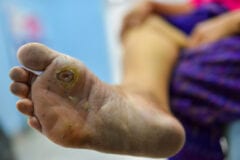 Type 2 diabetes is a frequent condition in society today. The expenses for the person and to society can be high. Although this is high there is so much that can be accomplished to stop it and ameliorate the outcomes of diabetes. Foot problems are frequent in individuals with all forms of diabetes and the outcome of these foot problems could have severe consequences. Some of these problems can include foot ulcers that could develop a growing infection. Amputations as a result of non-healing wounds having poor blood circulation also sometimes need to be carried out. There’s lots of complications of diabetes mellitus affecting the foot which may bring on most of these issues. One of these characteristics is that of nerve damage. This is when the higher blood glucose levels related to all forms of diabetes may harm the nerves and have an affect on feelings from those nerves. When this neural damage is present, it signifies that after there is damage to the feet that you have no pain or warning signal for this damage. For example, it could be as basic as a blister or perhaps as damaging as stepping on a rusted nail or going over […] read more
0 Views : 717
What is Cuboid Syndrome?
 Cuboid syndrome may be a cause of pain on the lateral side in the foot, that is if it really exists. You will find some dispute as to what cuboid syndrome exactly is with some doubting if it exists as well as the explanation for the symptoms is because of a range of other sorts of issues. There isn’t much evidence on this, however there are plenty of viewpoints. Commonly, in cuboid syndrome, the cuboid bone is assumed to become to a degree subluxed because of abnormal traction from peroneus longus tendon if the foot is excessively overpronated. Because of this the cuboid just isn’t steady when peroneus longus muscle contracts and the lateral aspect of this cuboid bone can be moved upwards. This believed subluxation is thought to be what cuboid syndrome is. The cuboid bone can also become subluxed following a lateral ankle joint strain. Problems on the outside of the foot is thought to occur in about 4% of all foot problems in sports athletes. Clinically, in a cuboid syndrome there will be outside foot pain on standing over the cuboid bone vicinity and also there could be a generalised foot discomfort, mainly over that lateral part […] read more
0 Views : 642
How should flat foot in children be managed?
 Flat foot in children are a debatable subject between health professionals. The debate is based about if it needs to be taken care of or left alone as many of children grow out of flat feet. Flat foot or a lower arch is a very frequent finding in youngsters and children. A lot of them do grow out of flat feet and do not get any kind of problems. A few don’t grow out of it and subsequently develop symptoms. The controversy is concerning if they all be treated to make sure that they do grow out of it and if this particular over treatment is needed. Mothers and fathers are obviously concerned about the appearance of the feet and don’t want issues to develop for their little one later on. What exactly is clear is that the flat foot ought to be dealt with should it be painful or causing symptoms. Such symptoms might not be only pain but can be things like increased regularity of falling. Kids who are at a higher risk of developing issues almost certainly be also treated. These would most likely include those who have an especially extreme flat foot and the ones whose […] read more
0 Views : 584
The difference between forefoot varus and forefoot supinatus
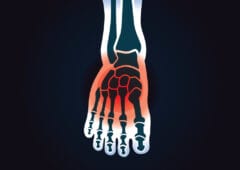 The foot is a sophisticated biomechanical construction that has to perform a great deal of movement. Since it is such a sophisticated construction, there are lots which can go wrong with it. There are several dysfunctional deviations possible in the feet which may impact the normal function and trigger pain. Podiatrists typically use foot orthoses, footwear adjustments and exercises to handle these types of issues. There are many deformities of the forefoot that will have to be accommodated in foot orthotics. That is according to the theory of the foot alignment that for the foot to be normal that a plantar plane imagined beneath the front foot has to be perpendicular to a line of the back of the heel bone. There are plenty of deviations that the forefoot may have when compared with what is the deemed normal. The medial side of the forefoot might be lower leading to what gets termed as a forefoot valgus. This forefoot valgus may be the whole forefoot is everted or it might just be the medial aspect of the forefoot being plantarflexed. This type of foot can result in considerable effects on how the foot moves. Precisely what those issues are is […] read more
0 Views : 828
What can a podiatrist do for a hammer toe?
Hammer toes are frequently treated by podiatrists since they can be a cause of pain in the foot. A hammer toe is a term which is widely used to describe any kind of toe disability, but a hammer toe is a particular deformity of a toe. The hammer toe deformity typically only affects just in one toe at what is called the proximal interphalangeal joint. This is actually the joint near the base of the toe and it is directed upward and the end of the toe is directed down. The leading symptom of the hammer toe is usually when something like a corn builds up on the top of the toe with the footwear pressure and becomes painful. This usually develops when you are wearing tight shoes which puts pressure on the top as well as end of the toe. There can be a bursa which occurs underneath the corn or rather than the corn. The majority of the signs and symptoms which develop are due to pressure coming from the shoe on the toe. You may also have a callus which occurs underneath the metatarsal head near the bottom of the toe on the ball of the feet. […] read more
0 Views : 595
How do Podiatrists Treat Ingrown Toenails
 Ingrown toe nails are a common problem that may be rather painful plus they don’t get better without treatment. Ingrown toenails are usually amongst the most prevalent issues dealt with by podiatrists. The primary cause of an ingrown nail is usually a combination of a rounded nail and a inadequate toenail cutting technique. The management of the ingrown toe nail is dependent upon if it’s infected or otherwise. When it is, the podiatrist might organise antibiotics. Although this can help the infection, it won’t deal with the problem because the bit of ingrown toe nail which is causing the issue is still present. A skilled Podiatrist can readily get rid of the corner or spike on the edge of the toe nail which has broken the skin that is creating the issue. They often do this with rather little discomfort. Unless this problem bit of toe nail this really is creating the ingrown nail is taken away, the infection may well remain and the issue is still growing in. After this, suitable wound care and also the use of bandages is needed to help get the infection treated properly. Should the pain lasts following this initial treatment method, this might […] read more
0 Views : 708
Can the newer antibiotics help strep throat?
 Strep throat is inflammation and swelling of the throat, tonsils and lymph nodes due to infection with group A streptococcus bacteria. Strep throat is very contagious and the bacteria responsible for causing the illness can be easily acquired by entering in contact with contaminated people. Streptococcus bacteria are airborne and they can be transmitted through droplets of mucus produced by cough or sneezing. The incubation period of strep throat is around three days and most symptoms of the illness emerge after this period of time. Strep throat usually generates symptoms such as cough, throat inflammation and pain, nausea, fatigue, weakness, headache and moderate to high fever. In order to prevent the occurrence of complications, doctors recommend treating the illness with antibiotics. Although they have been used in strep throat treatments for decades, some old-fashioned antibiotics such as penicillin and amoxicillin seem to be less effective in overcoming the illness these days. Doctors claim that bacterial strains have mutated and evolved considerably lately, rendering some forms of treatment ineffective in fighting infections. The primary cause for the increased resistance of bacteria to penicillin and amoxicillin is inappropriate treatment. Physicians explain that the misuse of antibiotics allows bacteria to adapt and even […] read more
0 Views : 451