 The great toe joint in the foot is a crucial joint for normal function and running or walking. As we are running or walking and the feet are flat on the floor, that big toe joint would need to bend when the heel come up off the surface. If this great toe joint doesn’t bend then running or walking will probably be much more difficult. More energy becomes necessary so running or walking gets very exhausting. When the movement that is not able to take place at the big toe joint still has got to happen, other joints could be required to move a lot more at a time that they’re not meant to be moving. This unnatural movement can become an issue. There are actually a variety of things that might go wrong with that big toe joint and obstruct this normal function. One of the most prevalent issues is a problem that often will get called hallux rigidus and as its name indicates, the hallux joint is rigid and will not move. The most frequent reason for this is osteoarthritis of that great toe joint. This is often quite painful and the inflexible hallux joint tends to make […] read more
Curation of Knowledge
Curated database of articles
Last Updated:
September 11, 2026
Click here to submit your article
Health and Fitness
Warning: Undefined array key "per_pg" in /home/feulthev/curationofknowledge.com/wp-content/themes/ArticleDirectory/library/functions/custom_functions.php on line 715
Warning: Undefined array key "mode" in /home/feulthev/curationofknowledge.com/wp-content/themes/ArticleDirectory/library/tpl/archive/archive_2_col_right.php on line 45
>
Warning: Undefined array key "per_pg" in /home/feulthev/curationofknowledge.com/wp-content/themes/ArticleDirectory/library/functions/custom_functions.php on line 715
>
- Conditions and Diseases (162)
- Allergy (1)
- Arthritis (4)
- Cancer (1)
- Children (11)
- Diabetes (5)
- Eye (2)
- Gastrointestinal (6)
- Heart (2)
- Infectious Diseases (9)
- Kidney (2)
- Neurology (12)
- Headaches (2)
- Movement Disorders (3)
- Oral (2)
- Orthopaedic (85)
- Foot Problems (76)
- Hand Problems (1)
- Knee Problems (3)
- Skin Conditions (9)
- Sleep (4)
- Vascular (2)
- Health Professions (8)
- Physical Therapy (1)
- Podiatry (5)
- Medications (6)
- Medicines (2)
- Nutrition (2)
- Vitamins and Supplements (2)
/home/feulthev/curationofknowledge.com/wp-content/themes/ArticleDirectory/loop.php on line 3
list clear">
 The great toe joint in the foot is a crucial joint for normal function and running or walking. As we are running or walking and the feet are flat on the floor, that big toe joint would need to bend when the heel come up off the surface. If this great toe joint doesn’t bend then running or walking will probably be much more difficult. More energy becomes necessary so running or walking gets very exhausting. When the movement that is not able to take place at the big toe joint still has got to happen, other joints could be required to move a lot more at a time that they’re not meant to be moving. This unnatural movement can become an issue. There are actually a variety of things that might go wrong with that big toe joint and obstruct this normal function. One of the most prevalent issues is a problem that often will get called hallux rigidus and as its name indicates, the hallux joint is rigid and will not move. The most frequent reason for this is osteoarthritis of that great toe joint. This is often quite painful and the inflexible hallux joint tends to make […] read more
Haglund’s deformity or a pump bump is a bigger part of bone in the back of the heel bone is a painful condition in runners and it is frequently not easy to get over. The enlarged portion of the heel bone rubs on the footwear producing a bursitis as well as blisters. This bursitis could become rather swollen as well as painful. The inflamed bursa is referred to as retrocalcaneal bursitis. The only method to make the enlarged heel bone go away is to use surgical treatment and that surgical treatment might involve taking off the Achilles tendon at the insertion to get at the heel bone to clear out the enlargement and then re-attach the tendon to the calcaneus. This is a big problem and entails lots of rehab, so we would like to stay away from this if practical. Having said that, it’s a quite good option in the long term if it is an ongoing trouble and also the methods used to help it are not working. A sensible way to deal with a Haglund’s problem of the heel bone is to remove pressure off of the painful place so the bursitis lump will go down. Sometimes, […] read more
A normal walking gait pattern relies on various key biomechanical features that are known as the determinants of gait. These 6 determinants of gait were first described by Saunders et al back in 1953, and still have been broadly embraced with many changes and small issues. I consider these determinants of gait important as they facilitate a much more efficient movement by the decreasing the up and down center of mass movements leading to a reduction in the metabolic energy needed for movement. The rationale underpinning this is that the greater management of these kinds of determinants of gait contributes to an increase in energy conservation and much more efficient motion. The theory which does underpin these kinds of determinants of gait are in conflict with the ‘inverted pendulum’ principle which considers the static stance leg being like a pendulum that tracks an arc. The biomechanics area will continue to debate the worth of these two approaches. The 6 determinants of gait and just how they affect the centre of mass (COM) displacement and energy efficiency are: Pelvic rotation: The pelvis rotates side to side in the course of normal gait to help with the advancement of the contralateral side […] read more
Podiatry (or which used to be named ‘chiropody’) felt is a regularly used padding material to treat a variety of difficulties in the feet. The podiatry felt is a natural material which is semi-compressed into the padding having a adhesive layer. The felt padding is supplied in flat sheets which could be then be trimmed to any shape using scissors or it’s available in many different designs as pre-cut pads for different types of foot conditions and several locations on the foot. The protective sheet over the adhesive padding is taken away and the felt pad is stuck to the foot to protect almost any painful location to give that spot a rest so the symptoms may be relieved and the condition given a chance to heal. For bunions a large pad the same shape as a doughnut may be cut and stuck over the bunion to get footwear force off the painful hallux valgus. When there is a corn on a toe, then the small felt pad might be cut and placed just simply behind the painful corn in order that the footwear pushes on the felt pad rather than on the painful corn. This can decrease the symptoms […] read more
Flip flops are a type of footwear that can be equally bad and good for the feet. They could be good for the feet when they get the foot out of tight constricting shoes into the open air, mainly in the more comfortable environments in which the lifestyle can be conducive to their use. This tight constricting footwear could predispose the foot for all types of complications of toe deformities along with pressure calluses. On the other hand, they will tend to make the toes claw to help keep the flip flops on the feet, that isn’t always a good thing. Furthermore, they open the feet to the potential for more accidental injuries in that items can drop on the foot. This type of footwear are certainly not allowed to be worn in a good many workplaces, in particular manufacturing ones, for this reason. The flip flops usually are worn in the more comfortable places in which the lifestyle allows their use and they’re so handy. However, they are often not much use to those people which have foot issues that need to have the foot supports. It’s impossible that anyone can wear an arch support or foot orthotic in […] read more
Cracked heels are a very prevalent foot disorder, technically known as heel fissures. They are caused by dried-out skin and made much more complicated if the skin round the edge of the rearfoot is thickened. Cracked heels may be painful to stand on and also the skin may bleed. Some people generally have a naturally dry skin which makes the skin easy to split. The thicker dry skin (callus) around the back heel which is more likely to tear is usually resulting from weight bearing reasons which increase pressures under the heel (eg the way you walk). Factors which could also be involved in the explanation for cracked heel skin include things like: extended weight bearing being obese open rearfoot on the footwear a number of medical conditions increase the risk to a drying skin (such as diabetes) skin problems (eg psoriasis) Self care for cracked heels: Applying a good oil based moisturizing ointment twice daily is very fundamental to be able to get on top of this problem. A pumice pad can be used to decrease the thickness of the hard skin. It is important to avoid open back footwear or thin sole footwear. It is best not to […] read more
Fluoroquinolones are a regularly used antibiotic that’s traditionally used to deal with a number of conditions a result of microbial infection such as respiratory along with urinary tract infections. In the United States it’s been estimated that fluoroquinolones are often the 3rd most commonly prescription medicine within the antibiotic category. The forerunner of this drug category, nalidixic acid is considered the initial quinolone medication even though it’s not totally a fluoroquinolone. It was initially released in 1962 for treating urinary tract infections. Now the Federal Drug Administration in the USA has approved many fluoroquinolones such as levofloxacin (Levaquin), ciprofloxacin (Cipro), moxifloxacin (Avelox), gemifloxacin (Factive), ofloxacin as well as delafloxacin (Baxdela). The fluoroquinolone antibiotics will work against infections brought on by bacteria by interfering with the bacteria’s DNA duplication. Early generation fluoroquinolones hamper microbial DNA synthesis during reproduction chiefly by hindering DNA gyrase, an chemical that’s needed for bacterial DNA copying, but has no effect on human DNA. There are many generations with the fluoroquinolones that are out there, with each subsequent generation becoming a refinement from the generation before. The previous era fluoroquinolones ended up being, generally, more narrower range compared to the the later types, which means the more […] read more
The progressive deteriorating of a flat foot or fallen arch in an adult is commonly known as posterior tibial tendon dysfunction or adult acquired flatfoot and could have serious implications if not noticed early on and taken care of. This is more prevalent in older along with over weight adults. The principal concern is that the posterior tibial muscles which are the reason for supporting the arch of the feet are not very good at carrying out that, and so a ongoing falling of the foot occurs. In addition to a flattening of the arch of the feet there may be commonly increasing pain and discomfort within the arch area of the feet and also the ankle joint. As it gets worse, further walking becomes significantly tougher and it is really tireing. There are generally 4 steps involving posterior tibial tendon dysfunction how the problem continues through with one being the initial phase and four being the final phase that only surgery can deal with. There is certainly a bit of difference of opinion of the staging of this as their is variability amongst health professionals plus some reliability issues. While acknowledging that, stage 1 is frequently managed with foot […] read more
There’s been a custom in health to name diseases following the medical professional who initially identified or published on that disorder. In some cases the doctor named the condition after themselves that would be looked at relatively egotistic and other occasions it was provided with a physician’s name by their peers in recognition of the success, which may be looked at an honor. Just lately there has been a tendency away from calling disorders after doctors. Many reasons exist for for this trend. These days research is more likely to be conducted by groups rather than individuals working by themselves, therefore it is tricky to credit an ailment to only one person. Occasionally in the past credit for a disorder went for the wrong physician and the disorder might have been explained by another individual prior to when the one which gets the recognition. An illness which is named after a doctor doesn’t refer to the particular pathology or the underpinning biological mechanisms of the disease process which are generally significantly more helpful. As an example, it’s relatively simple to know what diseases such as acquired immunodeficiency syndrome (or AIDS) as well as whooping cough are simply based on the […] read more
If you experience sudden bouts of breathlessness, you are suffering from asthma. When some dust, smoke or the scent of any odd flower or perfume will get you whizzing, coughing and gasping, you are suffering from asthma. These are just some of the allergens that can irritate your nasal passage. Other irritants are exercise, pollution or smog, a sudden change in weather, cold or any infection of the airways. Though asthma attack can be scary, there is no need to panic. Besides following doctor�s medications, there are certain tips that you can follow to prevent asthma. First, it is important for you to guard yourself against dust mite allergies and hay fever. Take the following steps: � Go for yoga: Performing simple yogic breathing where you exhale for twice as long as you inhale can prevent against future asthma attacks. This technique has been proven to be very effective. The effect of this breathing is similar to that obtained by the use of a corticosteroid inhaler. To do this breathing, close your eyes, inhale and then exhale naturally. Pause without holding your breath for one or two seconds before the next inhalation. This will allow the exhalation to complete naturally. […] read more
The great toe joint in the foot is a crucial joint for normal function and running or walking. As we are running or walking and the feet are flat on the floor, that big toe joint would need to bend when the heel come up off the surface. If this great toe joint doesn’t bend then running or walking will probably be much more difficult. More energy becomes necessary so running or walking gets very exhausting. When the movement that is not able to take place at the big toe joint still has got to happen, other joints could be required to move a lot more at a time that they’re not meant to be moving. This unnatural movement can become an issue. There are actually a variety of things that might go wrong with that big toe joint and obstruct this normal function. One of the most prevalent issues is a problem that often will get called hallux rigidus and as its name indicates, the hallux joint is rigid and will not move. The most frequent reason for this is osteoarthritis of that great toe joint. This is often quite painful and the inflexible hallux joint tends to make […] read more
Haglund’s deformity or a pump bump is a bigger part of bone in the back of the heel bone is a painful condition in runners and it is frequently not easy to get over. The enlarged portion of the heel bone rubs on the footwear producing a bursitis as well as blisters. This bursitis could become rather swollen as well as painful. The inflamed bursa is referred to as retrocalcaneal bursitis. The only method to make the enlarged heel bone go away is to use surgical treatment and that surgical treatment might involve taking off the Achilles tendon at the insertion to get at the heel bone to clear out the enlargement and then re-attach the tendon to the calcaneus. This is a big problem and entails lots of rehab, so we would like to stay away from this if practical. Having said that, it’s a quite good option in the long term if it is an ongoing trouble and also the methods used to help it are not working. A sensible way to deal with a Haglund’s problem of the heel bone is to remove pressure off of the painful place so the bursitis lump will go down. Sometimes, […] read more
A normal walking gait pattern relies on various key biomechanical features that are known as the determinants of gait. These 6 determinants of gait were first described by Saunders et al back in 1953, and still have been broadly embraced with many changes and small issues. I consider these determinants of gait important as they facilitate a much more efficient movement by the decreasing the up and down center of mass movements leading to a reduction in the metabolic energy needed for movement. The rationale underpinning this is that the greater management of these kinds of determinants of gait contributes to an increase in energy conservation and much more efficient motion. The theory which does underpin these kinds of determinants of gait are in conflict with the ‘inverted pendulum’ principle which considers the static stance leg being like a pendulum that tracks an arc. The biomechanics area will continue to debate the worth of these two approaches. The 6 determinants of gait and just how they affect the centre of mass (COM) displacement and energy efficiency are: Pelvic rotation: The pelvis rotates side to side in the course of normal gait to help with the advancement of the contralateral side […] read more
Podiatry (or which used to be named ‘chiropody’) felt is a regularly used padding material to treat a variety of difficulties in the feet. The podiatry felt is a natural material which is semi-compressed into the padding having a adhesive layer. The felt padding is supplied in flat sheets which could be then be trimmed to any shape using scissors or it’s available in many different designs as pre-cut pads for different types of foot conditions and several locations on the foot. The protective sheet over the adhesive padding is taken away and the felt pad is stuck to the foot to protect almost any painful location to give that spot a rest so the symptoms may be relieved and the condition given a chance to heal. For bunions a large pad the same shape as a doughnut may be cut and stuck over the bunion to get footwear force off the painful hallux valgus. When there is a corn on a toe, then the small felt pad might be cut and placed just simply behind the painful corn in order that the footwear pushes on the felt pad rather than on the painful corn. This can decrease the symptoms […] read more
Flip flops are a type of footwear that can be equally bad and good for the feet. They could be good for the feet when they get the foot out of tight constricting shoes into the open air, mainly in the more comfortable environments in which the lifestyle can be conducive to their use. This tight constricting footwear could predispose the foot for all types of complications of toe deformities along with pressure calluses. On the other hand, they will tend to make the toes claw to help keep the flip flops on the feet, that isn’t always a good thing. Furthermore, they open the feet to the potential for more accidental injuries in that items can drop on the foot. This type of footwear are certainly not allowed to be worn in a good many workplaces, in particular manufacturing ones, for this reason. The flip flops usually are worn in the more comfortable places in which the lifestyle allows their use and they’re so handy. However, they are often not much use to those people which have foot issues that need to have the foot supports. It’s impossible that anyone can wear an arch support or foot orthotic in […] read more
Cracked heels are a very prevalent foot disorder, technically known as heel fissures. They are caused by dried-out skin and made much more complicated if the skin round the edge of the rearfoot is thickened. Cracked heels may be painful to stand on and also the skin may bleed. Some people generally have a naturally dry skin which makes the skin easy to split. The thicker dry skin (callus) around the back heel which is more likely to tear is usually resulting from weight bearing reasons which increase pressures under the heel (eg the way you walk). Factors which could also be involved in the explanation for cracked heel skin include things like: extended weight bearing being obese open rearfoot on the footwear a number of medical conditions increase the risk to a drying skin (such as diabetes) skin problems (eg psoriasis) Self care for cracked heels: Applying a good oil based moisturizing ointment twice daily is very fundamental to be able to get on top of this problem. A pumice pad can be used to decrease the thickness of the hard skin. It is important to avoid open back footwear or thin sole footwear. It is best not to […] read more
Fluoroquinolones are a regularly used antibiotic that’s traditionally used to deal with a number of conditions a result of microbial infection such as respiratory along with urinary tract infections. In the United States it’s been estimated that fluoroquinolones are often the 3rd most commonly prescription medicine within the antibiotic category. The forerunner of this drug category, nalidixic acid is considered the initial quinolone medication even though it’s not totally a fluoroquinolone. It was initially released in 1962 for treating urinary tract infections. Now the Federal Drug Administration in the USA has approved many fluoroquinolones such as levofloxacin (Levaquin), ciprofloxacin (Cipro), moxifloxacin (Avelox), gemifloxacin (Factive), ofloxacin as well as delafloxacin (Baxdela). The fluoroquinolone antibiotics will work against infections brought on by bacteria by interfering with the bacteria’s DNA duplication. Early generation fluoroquinolones hamper microbial DNA synthesis during reproduction chiefly by hindering DNA gyrase, an chemical that’s needed for bacterial DNA copying, but has no effect on human DNA. There are many generations with the fluoroquinolones that are out there, with each subsequent generation becoming a refinement from the generation before. The previous era fluoroquinolones ended up being, generally, more narrower range compared to the the later types, which means the more […] read more
The progressive deteriorating of a flat foot or fallen arch in an adult is commonly known as posterior tibial tendon dysfunction or adult acquired flatfoot and could have serious implications if not noticed early on and taken care of. This is more prevalent in older along with over weight adults. The principal concern is that the posterior tibial muscles which are the reason for supporting the arch of the feet are not very good at carrying out that, and so a ongoing falling of the foot occurs. In addition to a flattening of the arch of the feet there may be commonly increasing pain and discomfort within the arch area of the feet and also the ankle joint. As it gets worse, further walking becomes significantly tougher and it is really tireing. There are generally 4 steps involving posterior tibial tendon dysfunction how the problem continues through with one being the initial phase and four being the final phase that only surgery can deal with. There is certainly a bit of difference of opinion of the staging of this as their is variability amongst health professionals plus some reliability issues. While acknowledging that, stage 1 is frequently managed with foot […] read more
There’s been a custom in health to name diseases following the medical professional who initially identified or published on that disorder. In some cases the doctor named the condition after themselves that would be looked at relatively egotistic and other occasions it was provided with a physician’s name by their peers in recognition of the success, which may be looked at an honor. Just lately there has been a tendency away from calling disorders after doctors. Many reasons exist for for this trend. These days research is more likely to be conducted by groups rather than individuals working by themselves, therefore it is tricky to credit an ailment to only one person. Occasionally in the past credit for a disorder went for the wrong physician and the disorder might have been explained by another individual prior to when the one which gets the recognition. An illness which is named after a doctor doesn’t refer to the particular pathology or the underpinning biological mechanisms of the disease process which are generally significantly more helpful. As an example, it’s relatively simple to know what diseases such as acquired immunodeficiency syndrome (or AIDS) as well as whooping cough are simply based on the […] read more
If you experience sudden bouts of breathlessness, you are suffering from asthma. When some dust, smoke or the scent of any odd flower or perfume will get you whizzing, coughing and gasping, you are suffering from asthma. These are just some of the allergens that can irritate your nasal passage. Other irritants are exercise, pollution or smog, a sudden change in weather, cold or any infection of the airways. Though asthma attack can be scary, there is no need to panic. Besides following doctor�s medications, there are certain tips that you can follow to prevent asthma. First, it is important for you to guard yourself against dust mite allergies and hay fever. Take the following steps: � Go for yoga: Performing simple yogic breathing where you exhale for twice as long as you inhale can prevent against future asthma attacks. This technique has been proven to be very effective. The effect of this breathing is similar to that obtained by the use of a corticosteroid inhaler. To do this breathing, close your eyes, inhale and then exhale naturally. Pause without holding your breath for one or two seconds before the next inhalation. This will allow the exhalation to complete naturally. […] read more
list clear">
What is a Functional Hallux Limitus?
The great toe joint in the foot is a crucial joint for normal function and running or walking. As we are running or walking and the feet are flat on the floor, that big toe joint would need to bend when the heel come up off the surface. If this great toe joint doesn’t bend then running or walking will probably be much more difficult. More energy becomes necessary so running or walking gets very exhausting. When the movement that is not able to take place at the big toe joint still has got to happen, other joints could be required to move a lot more at a time that they’re not meant to be moving. This unnatural movement can become an issue. There are actually a variety of things that might go wrong with that big toe joint and obstruct this normal function. One of the most prevalent issues is a problem that often will get called hallux rigidus and as its name indicates, the hallux joint is rigid and will not move. The most frequent reason for this is osteoarthritis of that great toe joint. This is often quite painful and the inflexible hallux joint tends to make […] read more
0 Views : 670
How runners can deal with a Haglunds Deformity of the Heel Bone
 Haglund’s deformity or a pump bump is a bigger part of bone in the back of the heel bone is a painful condition in runners and it is frequently not easy to get over. The enlarged portion of the heel bone rubs on the footwear producing a bursitis as well as blisters. This bursitis could become rather swollen as well as painful. The inflamed bursa is referred to as retrocalcaneal bursitis. The only method to make the enlarged heel bone go away is to use surgical treatment and that surgical treatment might involve taking off the Achilles tendon at the insertion to get at the heel bone to clear out the enlargement and then re-attach the tendon to the calcaneus. This is a big problem and entails lots of rehab, so we would like to stay away from this if practical. Having said that, it’s a quite good option in the long term if it is an ongoing trouble and also the methods used to help it are not working. A sensible way to deal with a Haglund’s problem of the heel bone is to remove pressure off of the painful place so the bursitis lump will go down. Sometimes, […] read more
0 Views : 630
What are the six determinants of gait?
 A normal walking gait pattern relies on various key biomechanical features that are known as the determinants of gait. These 6 determinants of gait were first described by Saunders et al back in 1953, and still have been broadly embraced with many changes and small issues. I consider these determinants of gait important as they facilitate a much more efficient movement by the decreasing the up and down center of mass movements leading to a reduction in the metabolic energy needed for movement. The rationale underpinning this is that the greater management of these kinds of determinants of gait contributes to an increase in energy conservation and much more efficient motion. The theory which does underpin these kinds of determinants of gait are in conflict with the ‘inverted pendulum’ principle which considers the static stance leg being like a pendulum that tracks an arc. The biomechanics area will continue to debate the worth of these two approaches. The 6 determinants of gait and just how they affect the centre of mass (COM) displacement and energy efficiency are: Pelvic rotation: The pelvis rotates side to side in the course of normal gait to help with the advancement of the contralateral side […] read more
0 Views : 513
How to make use of podiatry felt for foot problems
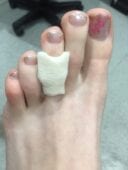 Podiatry (or which used to be named ‘chiropody’) felt is a regularly used padding material to treat a variety of difficulties in the feet. The podiatry felt is a natural material which is semi-compressed into the padding having a adhesive layer. The felt padding is supplied in flat sheets which could be then be trimmed to any shape using scissors or it’s available in many different designs as pre-cut pads for different types of foot conditions and several locations on the foot. The protective sheet over the adhesive padding is taken away and the felt pad is stuck to the foot to protect almost any painful location to give that spot a rest so the symptoms may be relieved and the condition given a chance to heal. For bunions a large pad the same shape as a doughnut may be cut and stuck over the bunion to get footwear force off the painful hallux valgus. When there is a corn on a toe, then the small felt pad might be cut and placed just simply behind the painful corn in order that the footwear pushes on the felt pad rather than on the painful corn. This can decrease the symptoms […] read more
0 Views : 783
An Alternative to a Foot Orthotic
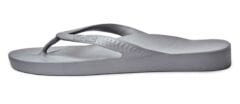 Flip flops are a type of footwear that can be equally bad and good for the feet. They could be good for the feet when they get the foot out of tight constricting shoes into the open air, mainly in the more comfortable environments in which the lifestyle can be conducive to their use. This tight constricting footwear could predispose the foot for all types of complications of toe deformities along with pressure calluses. On the other hand, they will tend to make the toes claw to help keep the flip flops on the feet, that isn’t always a good thing. Furthermore, they open the feet to the potential for more accidental injuries in that items can drop on the foot. This type of footwear are certainly not allowed to be worn in a good many workplaces, in particular manufacturing ones, for this reason. The flip flops usually are worn in the more comfortable places in which the lifestyle allows their use and they’re so handy. However, they are often not much use to those people which have foot issues that need to have the foot supports. It’s impossible that anyone can wear an arch support or foot orthotic in […] read more
0 Views : 582
Dealing with cracked heels in the foot
 Cracked heels are a very prevalent foot disorder, technically known as heel fissures. They are caused by dried-out skin and made much more complicated if the skin round the edge of the rearfoot is thickened. Cracked heels may be painful to stand on and also the skin may bleed. Some people generally have a naturally dry skin which makes the skin easy to split. The thicker dry skin (callus) around the back heel which is more likely to tear is usually resulting from weight bearing reasons which increase pressures under the heel (eg the way you walk). Factors which could also be involved in the explanation for cracked heel skin include things like: extended weight bearing being obese open rearfoot on the footwear a number of medical conditions increase the risk to a drying skin (such as diabetes) skin problems (eg psoriasis) Self care for cracked heels: Applying a good oil based moisturizing ointment twice daily is very fundamental to be able to get on top of this problem. A pumice pad can be used to decrease the thickness of the hard skin. It is important to avoid open back footwear or thin sole footwear. It is best not to […] read more
0 Views : 661
Fluoroquinolones
 Fluoroquinolones are a regularly used antibiotic that’s traditionally used to deal with a number of conditions a result of microbial infection such as respiratory along with urinary tract infections. In the United States it’s been estimated that fluoroquinolones are often the 3rd most commonly prescription medicine within the antibiotic category. The forerunner of this drug category, nalidixic acid is considered the initial quinolone medication even though it’s not totally a fluoroquinolone. It was initially released in 1962 for treating urinary tract infections. Now the Federal Drug Administration in the USA has approved many fluoroquinolones such as levofloxacin (Levaquin), ciprofloxacin (Cipro), moxifloxacin (Avelox), gemifloxacin (Factive), ofloxacin as well as delafloxacin (Baxdela). The fluoroquinolone antibiotics will work against infections brought on by bacteria by interfering with the bacteria’s DNA duplication. Early generation fluoroquinolones hamper microbial DNA synthesis during reproduction chiefly by hindering DNA gyrase, an chemical that’s needed for bacterial DNA copying, but has no effect on human DNA. There are many generations with the fluoroquinolones that are out there, with each subsequent generation becoming a refinement from the generation before. The previous era fluoroquinolones ended up being, generally, more narrower range compared to the the later types, which means the more […] read more
0 Views : 647
The Richie Brace for an Adult Acquired Flat Foot
 The progressive deteriorating of a flat foot or fallen arch in an adult is commonly known as posterior tibial tendon dysfunction or adult acquired flatfoot and could have serious implications if not noticed early on and taken care of. This is more prevalent in older along with over weight adults. The principal concern is that the posterior tibial muscles which are the reason for supporting the arch of the feet are not very good at carrying out that, and so a ongoing falling of the foot occurs. In addition to a flattening of the arch of the feet there may be commonly increasing pain and discomfort within the arch area of the feet and also the ankle joint. As it gets worse, further walking becomes significantly tougher and it is really tireing. There are generally 4 steps involving posterior tibial tendon dysfunction how the problem continues through with one being the initial phase and four being the final phase that only surgery can deal with. There is certainly a bit of difference of opinion of the staging of this as their is variability amongst health professionals plus some reliability issues. While acknowledging that, stage 1 is frequently managed with foot […] read more
0 Views : 898
How do diseases get their names?
 There’s been a custom in health to name diseases following the medical professional who initially identified or published on that disorder. In some cases the doctor named the condition after themselves that would be looked at relatively egotistic and other occasions it was provided with a physician’s name by their peers in recognition of the success, which may be looked at an honor. Just lately there has been a tendency away from calling disorders after doctors. Many reasons exist for for this trend. These days research is more likely to be conducted by groups rather than individuals working by themselves, therefore it is tricky to credit an ailment to only one person. Occasionally in the past credit for a disorder went for the wrong physician and the disorder might have been explained by another individual prior to when the one which gets the recognition. An illness which is named after a doctor doesn’t refer to the particular pathology or the underpinning biological mechanisms of the disease process which are generally significantly more helpful. As an example, it’s relatively simple to know what diseases such as acquired immunodeficiency syndrome (or AIDS) as well as whooping cough are simply based on the […] read more
0 Views : 468
Natural Care for Asthma
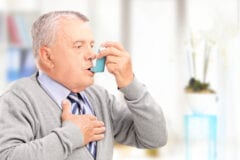 If you experience sudden bouts of breathlessness, you are suffering from asthma. When some dust, smoke or the scent of any odd flower or perfume will get you whizzing, coughing and gasping, you are suffering from asthma. These are just some of the allergens that can irritate your nasal passage. Other irritants are exercise, pollution or smog, a sudden change in weather, cold or any infection of the airways. Though asthma attack can be scary, there is no need to panic. Besides following doctor�s medications, there are certain tips that you can follow to prevent asthma. First, it is important for you to guard yourself against dust mite allergies and hay fever. Take the following steps: � Go for yoga: Performing simple yogic breathing where you exhale for twice as long as you inhale can prevent against future asthma attacks. This technique has been proven to be very effective. The effect of this breathing is similar to that obtained by the use of a corticosteroid inhaler. To do this breathing, close your eyes, inhale and then exhale naturally. Pause without holding your breath for one or two seconds before the next inhalation. This will allow the exhalation to complete naturally. […] read more
0 Views : 411